Top 5 Budget Friendly Alternatives to Art School
- Twinimation Studios
- education, level up your art skills
Special Deal for Students
Enter your name and school email for a unique discount!
Previously I discussed whether I considered art school an objective necessity for anyone who wanted to study art. If you haven't read that post, you can find it here.
To sum things up, I stated that ultimately, art school is not a necessity for the vast majority of people with an interest in working in the art field. Today, I want to follow up on that post by providing a list of 5 budget friendly alternative to enrolling in art university.
This list in in no particular order and Twinimation Studios considers all of these paths to have equal value.
1. Studying Books Written by Professional Artists
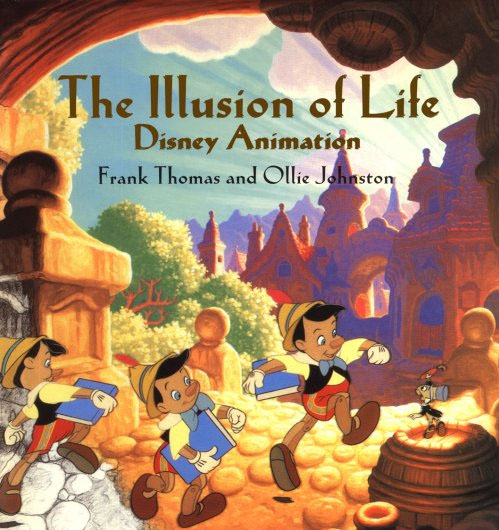
Wait, what? Reading?! Yep. It sounds so simple, yet in our modern digital age, most people tend to leave out classic text with regard to learning art. In actuality, reading books written by the art masters is one of the most valuable methods of becoming a great artist. The Animator's Survival Kit by Richard Williams and The Illusion of Life: Disney Animation by Ollie Johnston and Frank Thomas are commonly recommended resources for aspiring animators, as the former provides a highly detailed breakdown of the basics of animation in a way beginners can easily understand. Meanwhile the later is for more experienced animators, ready to take their skills to the next level.
Books are also great because, you can digest them on your own time, and at your own pace. College rarely gives you the luxury to take things at your preferred pace, as you're always working toward a deadline. They are also a flexible tool, as you also have the option to purchase a hardcover book or digital e-book based on whatever suits your preference.
Price wise, learning through books is great for budgeting learners. Both of the aforementioned books can be purchased on Amazon for between $25-$40. But for an even more affordable option, you can always check out your local library to temporarily check out/rent books of your choosing. Of course, I wouldn't recommend doing this for longer books, such as those mentioned above (each range from 300-500 pages). But for shorter books of 100 pages or less, renting a book is a great option.
So, what are you waiting for? Get out there and hit the books!
2. Finding an Art Mentor
Art mentorships aren't as commonly discussed as an art education method, but it remains a wonderful resource. A mentorship is when an artist essentially takes a few pupils under their wing to give them one-on-one coaching. It's as if you were taking a college level class as the only student in the class, and thus able to receive the professor's sole attention.
I image mentorships aren't typically brought up when it comes to studying art, since they are a bit more difficult to come across. You must find a qualified individual who is teaching exactly what you want to learn AND is offering their services as a mentor. Other common resources are simply easier to get started.
That said, art mentorships are still alive and kicking, you just need to know where to look! Illustrator Marco Bucci offers a mentorship program on his website where he provides The mentorship package costs a set $250.00 and contains 48 hours of video lessons to be viewed over a 6 week period, along with critiques to help his students learn how to improve.
If you think art mentoring would be best for your learning style, start looking online now to see who best suits your needs.
3. Enrolling in Local Art Workshops
I view art workshops as the best strategy to get a college-like experience without the high prices. You can work with an instructor and learn alongside others in a classroom setting over a short period of time. The length of these programs will very, but it's common for art based workshops to last from 6 weeks to 2 months. Additionally, workshops are great for learning numerous different art skills, whether that be painting, photography, illustration, etc.
Enrolling in a workshop is usually pretty simple. Just head over to google and search "art workshops near me" or something similar to see what is available. Price wise, tuition will ultimately depend on the instructor/location. For example, I've seen painting workshops priced up to $2000, but also for low as $100. This is actually beneficial because you can select a workshop based on what price range best suits you as an individual.
If you need help getting started, here is a great resource for finding art workshops in your area!
4. Taking Art Focused Online Courses
Online courses get a negative reputation, but legitimate art courses are great for anyone who wants to learn college level material on their own schedule and for an affordable price. Courses are usually produced in video format and can be watched anytime, and anywhere. So you can study your chosen subject wherever you please.
Always make sure to research the course instructor before purchasing to ensure their art style and techniques match the art goals you're working to improve. If you have any doubts, send them a message to request a small explanation of their course directly from the source.
Courses can also come with unique bonuses. Robert Nieto's Studio Ghibi environment course, which covers the entire process of drawing a complete anime-style background, comes with a set of his free custom brushes and palette, original source files, and detailed explanations of the illustration process.
Just like with workshops, there are courses on nearly every art subject you can think of. Painting (digital or traditional), animation, illustration, comic creation, and so much more. Prices will vary, but as can be seen from the referenced links, but $30-$300 is a typical range for many art based online courses. This is also the range I'd stick with for those wanting to remain on a budget.
If you think this is a great method you'd like to learn from, you can click the button below for a full list of Twinimation Studios art courses or click the links to alternate courses included in the paragraph above!
5. Learning Art Through YouTube
Obviously YouTube is one of the most powerful tools to learn just about anything. This video sharing platform has hours of content related to almost every subject on the planet, from gardening to cooking to fitness. And of course, there are is no shortage of art videos, teaching both digital and traditional art forms.
With YouTube open to anyone, you can find videos with a wide variety of art styles as well. If you want to learn traditional animation directly from Disney animator, Aaron Blaise, you can! If you'd prefer illustration lessons by manga artist Naoki Saito, those are available as well. Truly anything you can think of is freely available to you.
There are also several different methods you can choose for your desired learning; including but not limited to, speedpaints, artist studies, paint along videos, live drawing sessions, and more. Try a few different types of videos to see what works best with your learning style.
Lastly, of course price wise YouTube is the best learning resource. It is completely free to use for anyone, meaning you can level up your art skills without spending a dime if you wish.
Once again, it's your personal choice to determine how you'd best prefer to learn your desired art skills. If you'd like to hear more on this topic, we address it in greater detail this workshop.